
Financial stability is a key component of overall well-being. It serves as a financial roadmap, guiding you towards your goals and helping you stay on track. Creating a budget is not about restricting your spending but about gaining control over your finances. This can lead to reducing stress and ultimately saving money for the things that truly matter to you in life.
Calculate Your Net Income
Understanding your net income is the first step in creating an effective budget. Net income, also known as take-home pay, refers to the amount of money you have left after deducting taxes and other withholdings from your gross income. It represents the actual amount of money that you have available to towards your expenses and savings.
To calculate your net income, start with your gross income and subtract out any deductions (taxes, retirement contributions, insurance, ect). This will in turn give you your take home pay. Calculating your net income gives you a clear picture of how much money you have available to cover your expenses.
Track Your Spending
Tracking your spending is a crucial step in creating a budget that actually works. By keeping a record of where your money is going, you can gain better control over your finances and make informed decisions about your spending.
Importance of tracking spending
- Helps you understand your spending habits and identify areas where you may be overspending.
- Allows you to see if your expenses align with your financial goals.
- Enables you to make necessary adjustments to stay on track with your budget.
Identifying fixed and variable expenses
- Fixed expenses are those that remain constant each month, such as rent or mortgage payments, insurance premiums, or loan repayments.
- Variable expenses fluctuate from month to month, such as groceries, entertainment, or dining out.
Methods for tracking spending
- Manual tracking: Use a notebook or spreadsheet to record every expense manually. Highlight your expenses by color (ie. red is groceries, blue is bills, green is eating out, ect). This will help you see where your money is going.
- Mobile apps: Many budgeting apps allow you to track your spending on the go and categorize your expenses automatically.
- Online banking: Most banks offer online tools that categorize your transactions for you, making it easier to see where your money is going.
By tracking your spending regularly, you will have a clearer picture of how much you’re spending in each category and can make adjustments as needed to align with your budgeting goals.

Set Financial Goals
Setting financial goals is a crucial step in creating a budget that actually works for you. Make sure to set clear financial goals that provide direction and motivation for your budgeting efforts. It helps you stay focused and disciplined in managing your finances.
Short-term goals are those you aim to achieve within a relatively short period, such as paying off a credit card. Long-term goals on the other hand may include saving for retirement or buying a home. Make sure your plans are specific and attainable. This approach increases the likelihood of successfully reaching your financial goals.
Create a Spending Plan
When it comes to creating a budget that actually works, developing a spending plan is crucial. This plan will serve as a roadmap for how you will allocate your funds based on your net income and priorities.
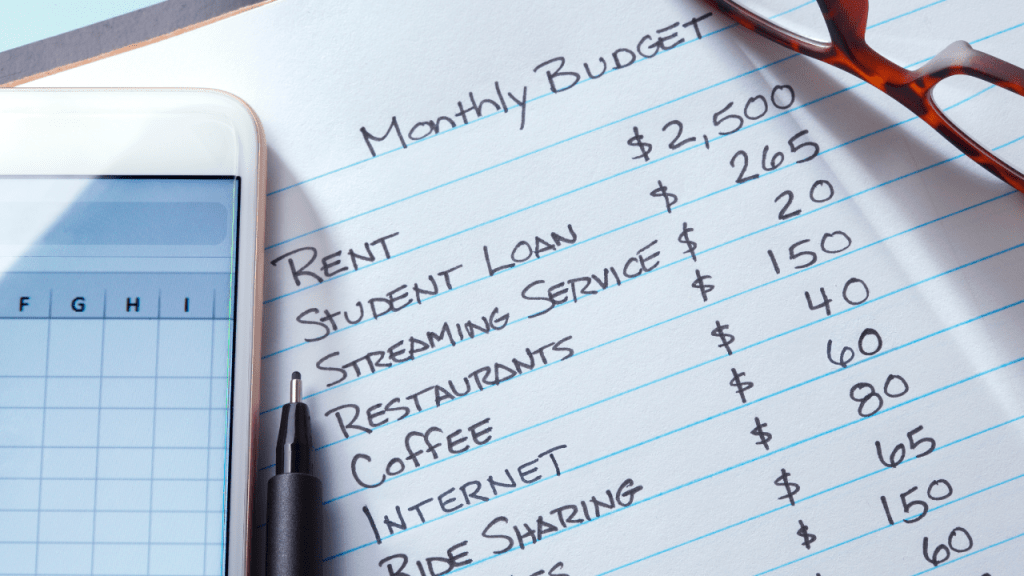
Start by determining what is most important to you financially. This could include necessities like rent or mortgage payments, utilities, and groceries, as well as savings goals or debt repayment. Once you’ve identified your priorities, allocate a specific amount of money to each category. This will help ensure that you’re not overspending in one area and neglecting another.
Balance Essential and Nonessential Expenses
While it’s important to cover essential expenses, such as bills and groceries, don’t forget to leave room for nonessential expenses that bring you joy or add value to your life. Finding a balance between the two will help you maintain financial stability while still enjoying the things you love.
Make sure you are not adding too much to nonessential expenses if you are working on repaying debt. There are many free activities you can do during this phase. Here is an article on 20 money-saving tips to help in this area.
By creating a spending plan that aligns with your income and priorities, you’ll be able to make intentional decisions about where your money goes, ultimately helping you achieve your goals.
Adjust Your Spending to Stay on Budget
Lets look at some strategies that you can use to adjust your spending and make sure it aligns with your budget:
- Review your spending regularly: Take a look at your expenses on a regular basis to figure out where you can make some changes. Are there any areas where you’re spending more than you need to? Can you find cheaper alternatives for certain things?
- Prioritize needs over wants: When it comes to spending, it’s important to prioritize the things you really need over the things you just want. This means making conscious decisions about what you spend your money on and cutting back on unnecessary purchases.
- Cut expenses in non-essential categories: If you’re finding it hard to stick to your budget, one option is to cut back on expenses in non-essential categories. This could include things like dining out, entertainment, or shopping for clothes. By reducing spending in these areas, you can free up more money to put towards your savings or other financial goals.
Regularly Review Your Budget and Spending
Just like any other plan, your budget needs to be reviewed and adjusted periodically. Life circumstances change, expenses fluctuate, and new financial goals may arise. By reviewing your budget regularly, you can ensure that it remains aligned with your current needs and priorities.
As you track your spending and review your budget, you may discover that certain categories are consistently over or under-budgeted. This is normal, and it’s important to be flexible and make adjustments accordingly. If you find that you’re consistently overspending in a particular area, you may need to reevaluate your priorities or find ways to cut back. On the other hand, if you consistently have extra funds in a specific category, you might consider reallocating that money to another area that requires more attention.
Remember, budgeting is an ongoing process that requires dedication and commitment. So keep monitoring, adjusting, and staying accountable to ensure long-term financial success.
Final Thoughts
- Calculate Your Net Income: Understand your take-home pay by calculating your net income.
- Track Your Spending: Monitor your expenses and identify fixed and variable expenses.
- Set Financial Goals: A mixture between short-term and long-term goals to help stay motivated.
- Create a Spending Plan: Develop a plan based on your income and priorities, allocating funds to different categories.
- Adjust Your Spending: Make adjustments to match your budget, prioritize needs over wants, and identify areas where you can cut expenses.
- Regularly Review Your Budget: Track your transactions, make necessary adjustments, and stay accountable.
By implementing and maintaining a budget, you can gain control over your finances, save money, and achieve your financial goals. Remember that budgeting is not about restriction but rather about planning for the future. It allows you to allocate funds to different categories according to your priorities.






 brittanymandelkow.com
Leave a comment